Polyhouse farming can significantly increase crop yield compared to open-field cultivation. Here’s how controlled-environment farming improves output, quality, and consistency. Focus Keyword: polyhouse farming crop yield Secondary Keywords: polyhouse farming benefits, greenhouse yield increase, protected cultivation India, controlled environment farming

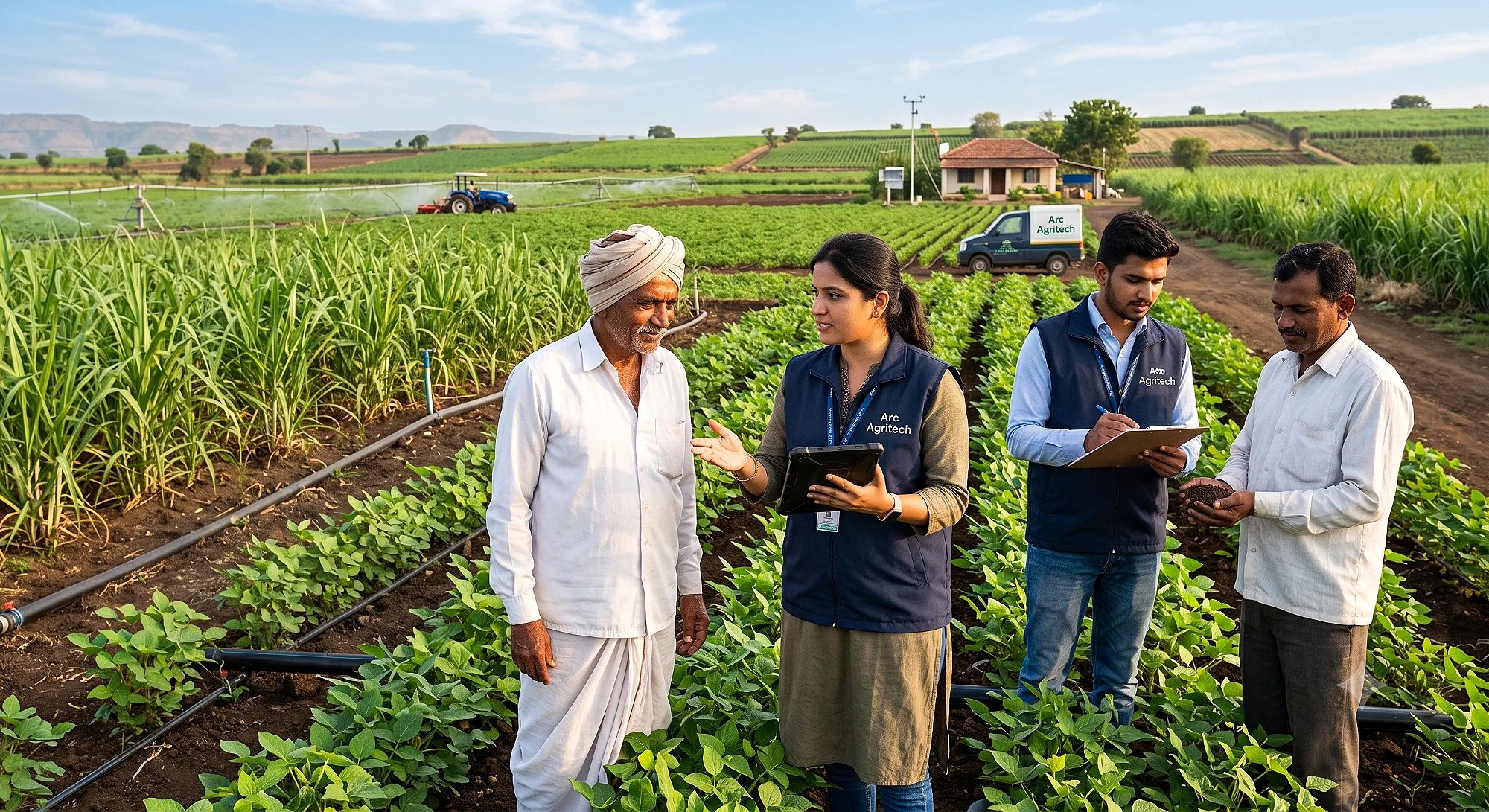
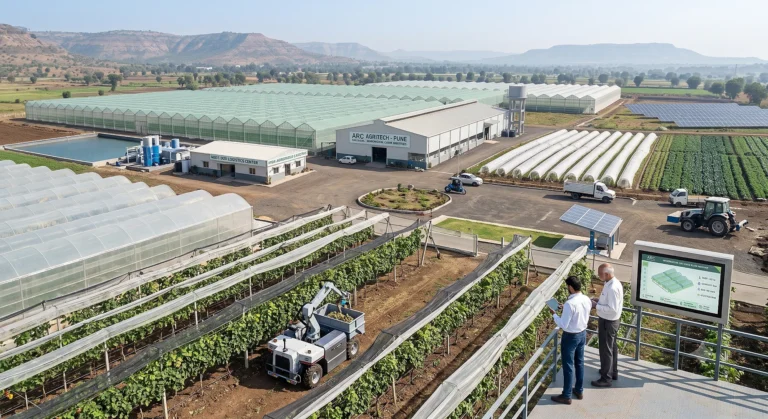
Open-field farming leaves crop output largely at the mercy of weather, pests, and seasonal limitations. Polyhouse farming changes that equation by giving growers control over the conditions plants grow in — temperature, humidity, light, and irrigation — rather than adapting to whatever the season brings. For crops like capsicum, cucumber, tomato, and strawberry, this shift from reactive to controlled farming is a major reason polyhouse cultivation consistently outperforms open-field methods in yield and quality.
Here’s a closer look at the specific mechanisms behind that improvement.
1. Climate Control Reduces Crop Stress
Temperature and humidity swings are one of the biggest yield-limiting factors in open-field farming. Heat stress during flowering can cause fruit drop, while excess humidity encourages fungal disease. A polyhouse buffers crops from these extremes using ventilation systems, shading, and, in advanced setups, cooling or heating systems. When plants spend less energy coping with stress, more of their growth goes into fruit and yield rather than survival.
2. Precision Irrigation and Fertigation Improve Nutrient Uptake
Polyhouse systems are almost always paired with drip irrigation and fertigation, which deliver water and nutrients directly to the root zone in carefully controlled quantities. This is a significant improvement over flood or sprinkler irrigation, where nutrient distribution is uneven and water use is less efficient. Consistent, precisely timed nutrition supports steadier plant growth and more uniform fruit development across the crop cycle.
3. Pest and Disease Pressure Is Significantly Reduced
Insect nets and controlled entry points limit the movement of pests like whitefly and aphids into the growing environment, while better humidity management reduces the fungal and bacterial disease pressure common in open fields. Lower pest and disease incidence means less crop loss and less reliance on reactive pesticide use, both of which directly support higher realised yield.
4. Higher Planting Density Without Sacrificing Plant Health
Because polyhouse crops grow under more stable, favourable conditions, many varieties can be planted at higher density than would be viable in open fields, without a proportional increase in disease risk or resource competition. Combined with trellising and vertical growing techniques common in polyhouse setups, this allows more productive plants per unit of land area.
5. Extended and More Predictable Growing Seasons
Open-field crops are constrained by seasonal weather windows. A polyhouse extends the effective growing season for many crops by protecting them from off-season temperature extremes, allowing for multiple crop cycles per year in some cases, and more predictable harvest timing. This predictability also supports better planning for market supply and pricing.
6. Better Fruit Quality Supports Premium Market Access
Yield isn’t only about quantity — quality and consistency significantly affect the price a crop commands. Polyhouse-grown produce tends to have more uniform size, colour, and shelf life due to controlled growing conditions, which makes it more suitable for premium retail, export, and direct supermarket supply channels compared to open-field produce with more natural variation.
7. Reduced Weather-Related Crop Loss
Hailstorms, unseasonal rain, and extreme heat can wipe out an open-field crop with little warning. A polyhouse structure protects crops from most of these events, significantly reducing the risk of total crop loss due to weather. This risk reduction is one of the most tangible ways protected cultivation supports more consistent year-on-year yield, even when it doesn’t directly increase per-plant productivity.
Polyhouse vs. Open-Field Farming: What Actually Changes
It helps to break down exactly what differs between the two growing environments, since the yield gap comes from several compounding factors rather than one single change:
| Factor | Open-Field Farming | Polyhouse Farming |
|---|---|---|
| Temperature & humidity | Fully weather-dependent | Actively managed within a target range |
| Irrigation | Often flood or sprinkler-based | Typically drip-based with fertigation |
| Pest exposure | High, direct exposure | Reduced via insect nets and controlled entry |
| Weather risk | Full exposure to hail, storms, heatwaves | Structurally protected |
| Planting density | Limited by natural spacing needs | Often higher, supported by trellising |
| Growing season | Fixed by regional climate | Extended, sometimes allowing multiple cycles |
None of these factors work in isolation. A polyhouse with poor irrigation planning, for instance, won’t outperform a well-managed open field — the yield advantage comes from getting all of these elements right together, not from the structure alone.
What Actually Determines the Yield Increase
While protected cultivation is well documented to improve yield outcomes compared to open-field farming, the exact increase depends on several variables:
- Crop type — some crops respond more strongly to controlled environments than others.
- Structure design and ventilation — a poorly ventilated polyhouse can underperform an open field in the same conditions.
- Irrigation and fertigation setup — precision inputs are what convert a controlled environment into higher yield, not the structure alone.
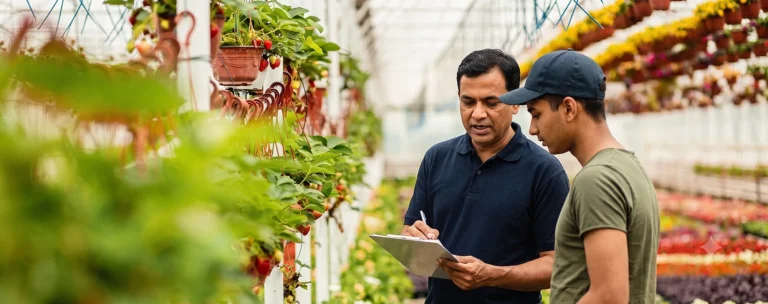
- Farmer training and daily management — consistent monitoring and timely intervention matter as much as the infrastructure itself.
Because of these variables, yield increase figures should always be treated as a range influenced by local conditions and management quality, rather than a fixed guarantee.
Getting the Most Out of a Polyhouse Investment
A polyhouse structure is the foundation, but the yield gains come from how well it’s managed. Farmers who pair the structure with proper soil testing, crop-specific irrigation planning, pest monitoring, and ongoing training tend to see meaningfully better and more consistent results than those who treat the structure as a standalone solution.
Frequently Asked Questions
Does polyhouse farming always increase yield? Polyhouse farming generally supports higher and more consistent yield compared to open-field farming, but actual results depend on crop selection, structure design, irrigation setup, and day-to-day management.
Which crops see the biggest yield benefit from polyhouse farming? High-value crops like capsicum, cherry tomato, cucumber, and strawberry are among the most commonly grown in polyhouses in India, largely because they respond well to controlled temperature and humidity conditions.
Is polyhouse farming only about increasing quantity? No. Alongside yield, polyhouse farming typically improves fruit quality, uniformity, and shelf life, which affects market pricing as much as total output does.
Does a polyhouse eliminate the need for pest control? No. It significantly reduces pest and disease pressure through nets and climate control, but ongoing monitoring and management are still necessary.
Closing Thought
Polyhouse farming improves yield by addressing the root causes of crop stress and inconsistency — weather exposure, pest pressure, and imprecise irrigation — rather than simply adding infrastructure. The structure creates the opportunity for higher yield, but the actual results depend heavily on crop selection, system design, and consistent management throughout the growing cycle.